Short answer: A magnetic filter clean empties the sludge the filter has caught and is enough for most systems. A chemical clean loosens sludge across the system so it can be drained off. A power flush uses a pump machine to drive water and chemicals through each radiator, and suits older systems with heavy sludge and many radiators cold at the bottom.
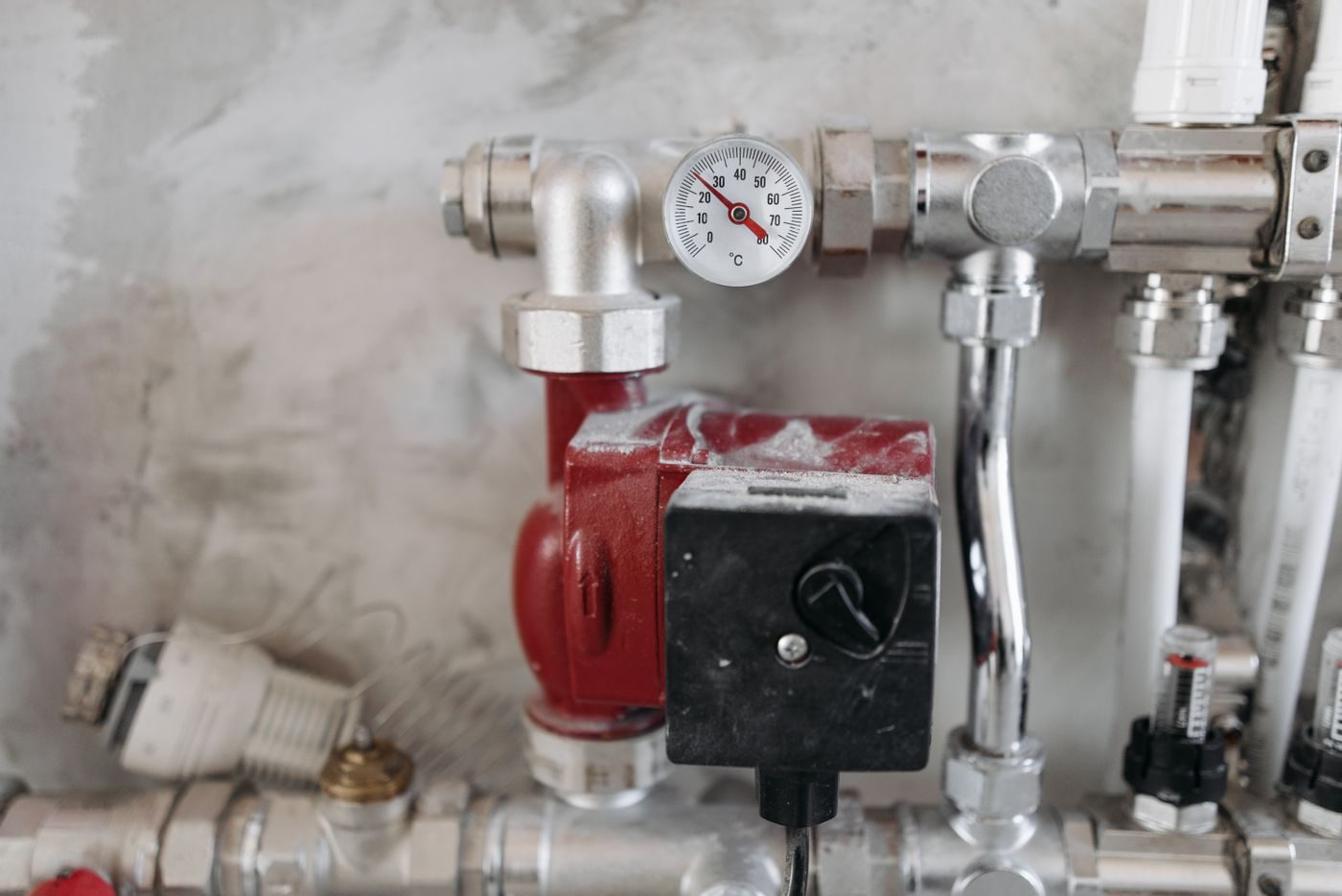
If your radiators are not heating well, someone may suggest a power flush. Sometimes that is the right answer. Sometimes a simpler job does the trick. Here is how to tell.
Three different jobs
| Job | What happens | Typical use |
|---|---|---|
| Magnetic filter clean | The filter is opened, the magnet cleaned and refitted | Every year, at the service |
| Chemical clean | A cleaning chemical is added and circulated, then drained and replaced with fresh water and inhibitor | Moderate sludge, newer systems |
| Power flush | A pump machine connects to the system and drives water and chemicals hard through each radiator in turn | Heavy sludge, older systems |
Signs of sludge
- Radiators warm at the top and cold at the bottom
- Several radiators slow to heat
- Black water from bleed valves
- A boiler that kettles or rumbles
- Repeated pump faults
- A filter that is full of black sludge every year
One or two signs might mean a chemical clean. Many signs across the house usually point to a power flush.
When a filter clean is enough
If radiators heat evenly, the filter has only a light coating, and the water looks clear, a yearly filter clean and an inhibitor top up is all you need. Our post on magnetic boiler filters explains how it works.
When a chemical clean makes sense
If there is some sludge, a few radiators are slightly cold at the bottom, and the system is not too old, a chemical clean is gentler and cheaper. The cleaner runs through the system with the heating on for a set time. The filter catches loosened sludge. The system is then drained, refilled and dosed with inhibitor.
When a power flush is the right call
Power flushing suits:
- Older open vented systems with heavy sludge
- Systems where many radiators are cold at the bottom
- Systems being prepared for a new boiler, if the maker’s instructions require a thorough clean
- Systems where a filter clean and chemical clean have not helped
A power flush can take most of a day on a larger house, because each radiator is flushed in turn.
Wimbledon’s larger houses
Wimbledon Village and the streets around the Common have many large Victorian and Edwardian houses with a lot of radiators, often extended into loft rooms and kitchen extensions. Bigger systems hold more water and more sludge, and older open vented systems in these homes draw in air over the years. Our Wimbledon area page covers the housing there.
In those homes, a full health check is worth doing before deciding. A thermal camera or surface thermometer can show which radiators are affected and how badly.
Risks with power flushing
A power flush pushes water hard through old pipes. On very old systems:
- Weak joints or corroded radiators can start leaking
- Old radiator valves can fail
- Microbore pipework, thin 8 or 10 millimetre pipes, can be harder to flush well
A good engineer looks at the system first and explains the risks. If radiators are badly corroded, replacing them may be better than flushing them.
After any clean
- Clean the magnetic filter again soon after, as it fills quickly with loosened sludge.
- Add inhibitor to slow new rust.
- Check the system pressure and bleed radiators.
- Clean the filter at every service from then on.
Questions to ask
| Ask | Why |
|---|---|
| What signs are you seeing? | You want a reason, not a sales pitch |
| Have you checked the filter and water? | Basic diagnosis |
| Would a chemical clean do? | Cheaper and gentler where suitable |
| What happens if a radiator leaks? | Know the plan in advance |
| Will you add inhibitor and fit or clean a filter afterwards? | Protects the result |
Hard water is a different problem
Limescale on the hot water side of a combi is not sludge, and a power flush of the heating will not fix it. That needs a look at the plate heat exchanger and a scale reducer on the cold supply. See our combi boiler service page.
How long the result lasts
A clean system only stays clean if the cause of the sludge is dealt with. That means a working filter cleaned at every service, the right level of inhibitor, and no constant topping up from a slow leak. On open vented systems with loft tanks, the engineer may also check the system is not pumping over, which pulls air in and starts the rust again.
Booking
Our magnetic filter clean and system health check starts with the filter and water, then gives a plain view on whether you need a clean, a flush or nothing more. Any further work is priced after the check.
Gas work in the UK must be done by a Gas Safe registered engineer. Check the ID card and the Gas Safe Register.
Quick questions
Does every new boiler need a power flush?
Not always. Makers usually require the system to be cleaned before a new boiler is fitted, but the method depends on its condition.
Can a power flush cause leaks?
On very old or weak pipework, the extra flow can reveal leaks that were held by sludge. A good engineer checks before starting.
Will a power flush fix cold radiators?
If sludge is the cause, usually yes. If the cause is a valve, balancing or pump problem, it will not.
Last updated 23 October 2026. Written for homes in London. Rules can change, so check the linked sources for the latest position.