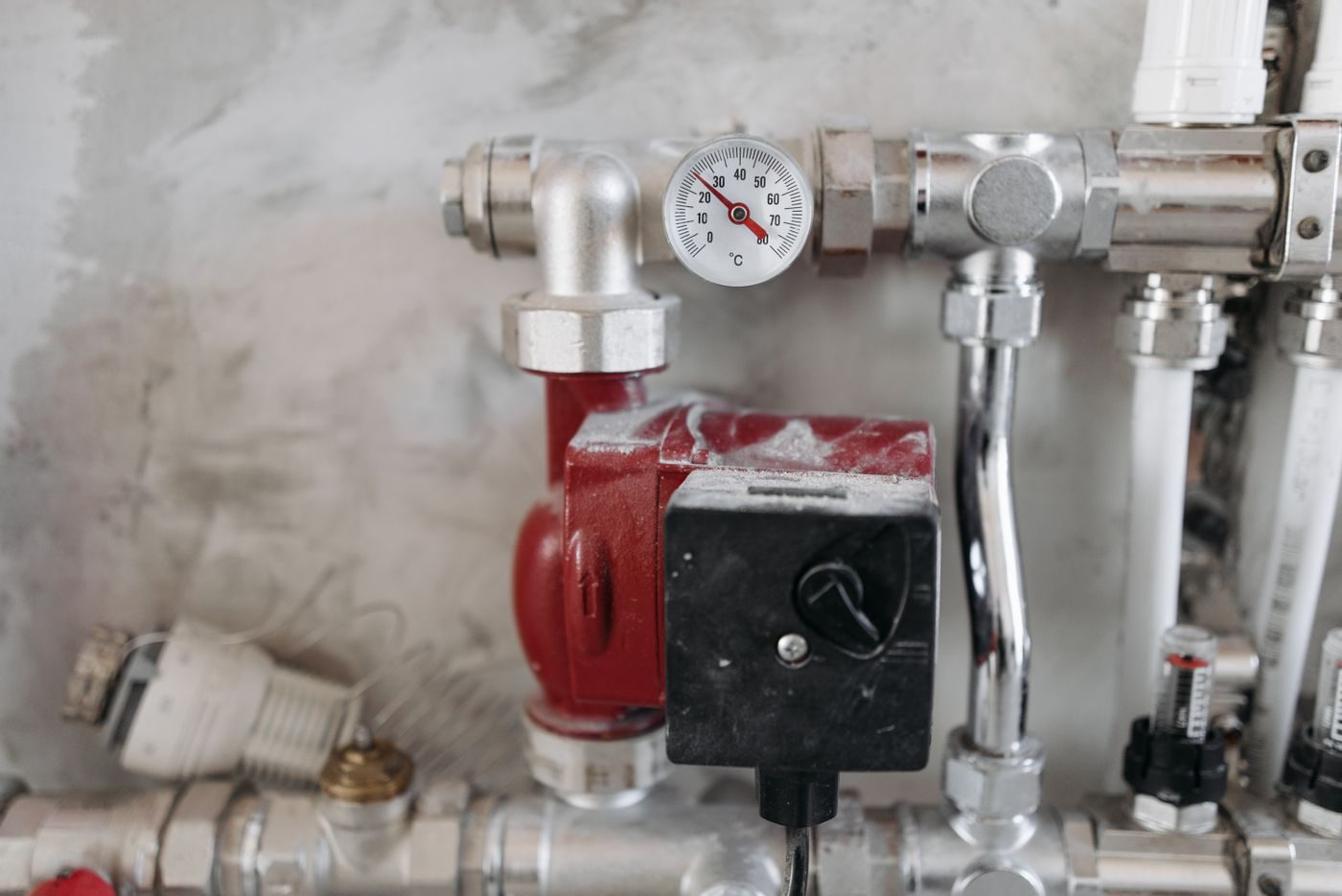
 Photo for illustration
South and west London
Magnetic filter clean and heating system health check
Filter clean, water test and radiator check to show whether your system needs a clean, a flush or nothing more.
A magnetic filter is a canister on the pipe back to your boiler that catches the black iron sludge that forms inside radiators. Cleaning it once a year, usually at the service, stops sludge reaching the boiler. A system health check looks at radiators, water condition and inhibitor to see if the system needs more than that.
Tell us about
your boiler.
A minute to fill in. You get a reply to arrange the visit.
You need this when
If one of these sounds like your boiler, it is time to book.
- Radiators are warm at the top and cold at the bottom
- Some radiators heat up much slower than others
- Water drained from a radiator valve comes out dark
- You have a magnetic filter and do not know when it was last cleaned
- Your Baxi warranty mentions the supplied filter
- The boiler is noisy or the pump has failed before
What happens,
step by step.
- 01
Isolate and open the filter
The filter valves are closed, the canister opened, and the magnet removed and cleaned. The amount of sludge tells its own story.
- 02
Check the water
A sample of system water can be checked for clarity and inhibitor level. Inhibitor is a chemical added to slow rust inside radiators.
- 03
Radiator check
Radiators are checked for cold spots, air and balance. A thermal camera or surface thermometer can show cold areas.
- 04
Refill and top up
The filter is refitted, the system topped up to the right pressure and inhibitor added if low.
- 05
Plain advice
You are told whether the system is fine, needs a chemical clean, or a power flush, with a price before any further work.

Homes across south and west londonPhoto for illustration. The engineer plans the visit around where your boiler sits and how to reach it.
Where the sludge comes from
Most heating systems have steel radiators and copper pipes. Over time, oxygen in the water causes rust inside the radiators. That rust is a fine black powder, magnetite, which settles at the bottom of radiators and gets carried round to the boiler.
In the boiler it can clog the heat exchanger, wear the pump and block valves. Older London houses, with large open vented systems and a tank in the loft, often have more of it, because a little fresh water and air get drawn in over the years.
A magnetic filter sits on the return pipe to the boiler. Water passes a strong magnet that grabs the magnetite before it reaches the boiler. It only works if someone empties it.
Filter, chemical clean or power flush?
The three are different jobs.
- Filter clean. Emptying and cleaning the magnet. A short job, usually done at the yearly service.
- Chemical clean. Adding a cleaner to the system and running it for a period so the filter and drain off collect the loosened sludge, then refilling with fresh water and inhibitor.
- Power flush. A pump machine pushes water and cleaning chemicals through each radiator in turn to shift heavy sludge. It is a bigger job, mostly for older systems with clear signs of blockage.
The health check helps decide. A system with little sludge in the filter and even radiators may need nothing more. Our post on power flush or magnetic filter goes into the signs.
Filters and warranties
Some boiler makers tie their longer warranties to a filter. Baxi says its 800 range 10 year warranty depends on the supplied magnetic filter being fitted and maintained for the length of the warranty, along with an annual service. Vaillant offers a longer guarantee on some models when a Vaillant filter is fitted by a registered installer. If your guarantee certificate mentions a filter, keep a record of each clean.
Filter cleaning on its own does not need the boiler case off. But it is usually done at the service, so the engineer can see the sludge and check the boiler at the same time.
Why London systems collect more sludge
Many homes in the areas we cover have heating systems that have grown over decades: extra radiators added during loft conversions and extensions, pipes rerouted when Victorian houses were split into flats, and old open vented tanks left in lofts. Each change lets in some air and fresh water, which means more rust.
If you have had radiators added or moved, or the system has been drained for building work, ask for a filter clean and inhibitor check at the next service. Topping up with inhibitor after any drain down slows the rust from starting again.
The signs to watch are simple. Radiators cold at the bottom, a boiler that sounds louder than it did, and dark water from a bleed valve. Each one is worth mentioning when you book.
Price
What affects the price
A filter clean at the same visit as a service is a small extra. A chemical clean or power flush is priced after the health check, based on the size of the system and how much sludge there is.
| What | Price |
|---|---|
| Filter clean with a service | quote on booking |
| Inhibitor top up | quote on booking |
| Chemical clean | price confirmed after a look at the job |
| Power flush | price confirmed after a look at the job |
No prices are shown on this site. Every job is priced after a look at it, by photo or a visit.
Good questions.
Clear answers.
What people ask about magnetic filter clean and system health check in London.
Just ask usHow often should a magnetic filter be cleaned?
At least once a year, at the service, or as the filter maker advises. Some systems with heavy sludge need it more often for a while after a clean.
Can I clean the filter myself?
Some filter makers publish homeowner instructions. You need to isolate it correctly and repressurise the system afterwards. If you are not confident, leave it for the service.
Will a filter fix cold radiators?
Not on its own. It stops new sludge reaching the boiler. Sludge already sitting in radiators needs a clean or flush to move.
Do new systems need a filter?
It is common practice to fit one with a new boiler, and some warranties ask for it. Check your boiler guarantee.
Or something
a little different?
All servicesAnnual boiler service
A full yearly service with a combustion test and a written record you can keep for your warranty.
Landlord service + CP12
The yearly landlord gas safety check and record, with a full boiler service at the same visit if you want it.
Combi boiler service
Full yearly service for combis, with hot water flow and scale checks for London's hard water.
Your boiler.
Checked properly.
Answer a few questions about your boiler and pick a day. The visit and the price are confirmed with you.
Send the details