Short answer: If your boiler pressure keeps dropping, water is leaving the sealed heating system. The usual causes are a small leak on a radiator valve or pipe, a pressure relief valve letting water out, or a flat expansion vessel. Top up once with the filling loop as your manual shows, look for drips, then book a repair if it falls again.
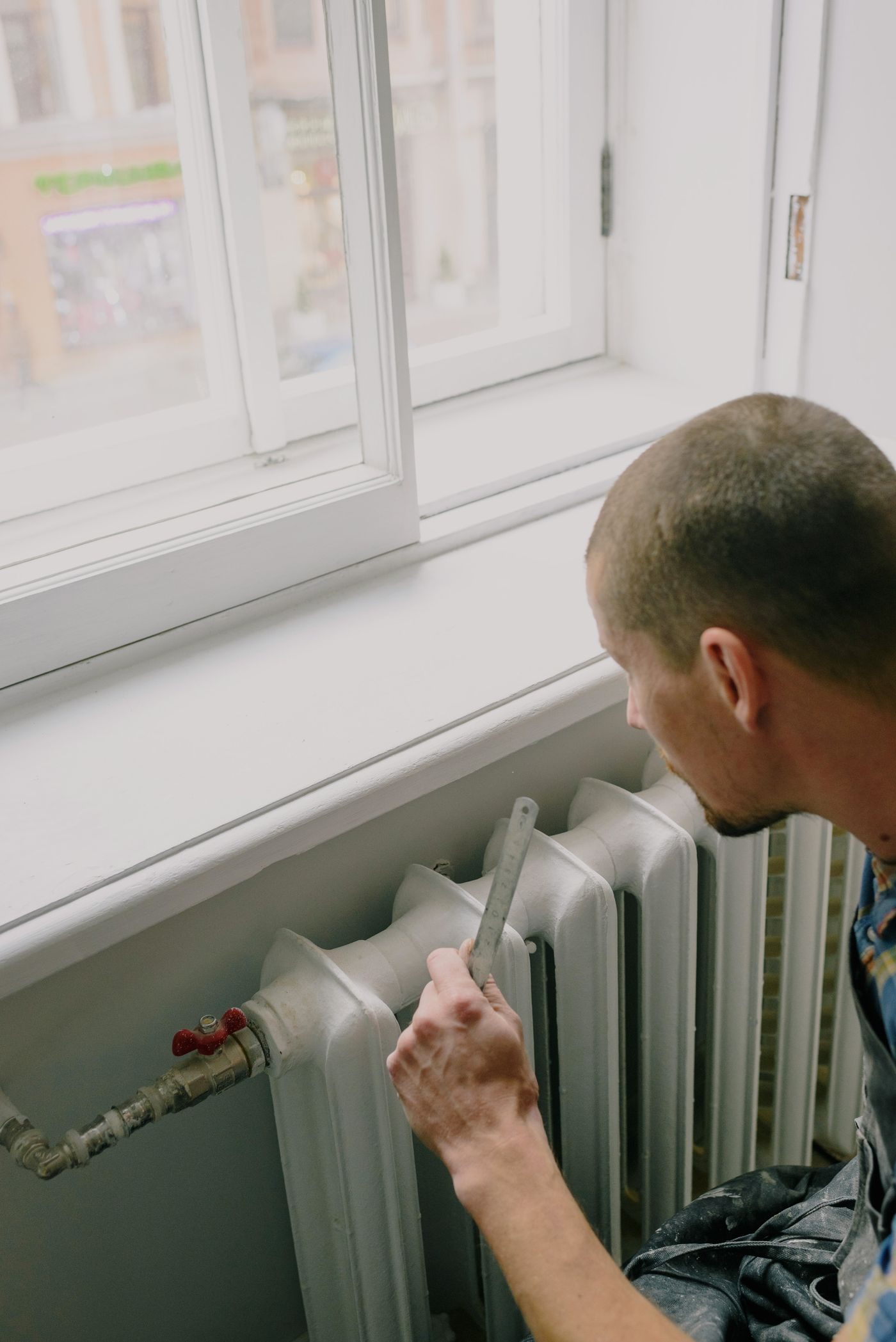
Combis and system boilers run on a sealed, pressurised heating circuit. When the pressure falls too low, most boilers stop and show a fault code. If you are topping up every week, something is wrong.
How the pressure should behave
| State | Typical reading |
|---|---|
| Cold | Around 1 to 1.5 bar on many boilers |
| Heating running | A little higher |
| Back to cold | Back where it started |
Always check your boiler manual for the exact figures. A small rise and fall is normal. A big swing, or a slow drop over days, is not.
The main causes
1. A leak somewhere in the system
Even a tiny drip loses water over time. Common places:
- Radiator valves, especially where the valve meets the radiator
- Joints on pipework under floors or behind kitchen units
- Towel rails in bathrooms
- Inside the boiler itself
Check every radiator valve with a dry tissue. Look for staining on carpets, ceilings below, or the cupboard floor under the boiler.
2. Pressure relief valve letting by
The pressure relief valve is a safety valve. If pressure gets too high, it lets water out through a copper pipe that usually runs outside. Once a relief valve has opened, it sometimes does not seal fully again and drips slowly. Look outside for a copper pipe near the boiler with a drip or a damp mark under it.
3. Flat expansion vessel
The expansion vessel is a small tank with an air cushion inside. It takes up the extra volume when water heats and expands. If it loses its air charge, pressure shoots up when the heating comes on, the relief valve opens, water is lost, and when it cools the pressure drops. Then you top up and it happens again.
Signs: pressure rises sharply when hot, and you find a drip from the relief valve pipe outside.
4. After bleeding radiators
Bleeding radiators lets air out, and the pressure falls a little. That is normal. Top up afterwards if needed.
5. Recent work
If radiators were removed for decorating or building work, a joint may not have been remade properly.
Safe checks you can do
- Note the reading cold, and again with the heating on.
- Top up once using the filling loop if your manual shows how. Close both taps on the loop afterwards.
- Check radiator valves with a dry tissue.
- Look outside for a dripping copper pipe near the boiler.
- Look under the boiler for water or staining.
- Watch the gauge over the next few days.
Do not take the boiler case off. That is gas work and must be done by a Gas Safe registered engineer.
When to book a repair
Book a boiler repair visit if:
- Pressure drops again within days of topping up
- Pressure rises above about 2.5 to 3 bar when hot
- Water is dripping from the boiler
- The relief valve pipe outside is dripping
- The boiler shows a low pressure fault code repeatedly
What the engineer does
| Check | What it shows |
|---|---|
| Expansion vessel charge | Whether it needs recharging or replacing |
| Pressure relief valve | Whether it is letting by |
| Boiler internals | Leaks from the heat exchanger, pump or seals |
| System joints | Leaks around the property |
Fixes range from recharging the expansion vessel to replacing a valve or finding a hidden leak. Each is priced after the fault is found.
Why it matters in older London homes
Constant topping up brings fresh water into the system. Fresh water carries oxygen, which speeds up rust inside steel radiators and forms more black sludge. In London it also brings in more hard water minerals. So a slow leak, left alone, makes other problems worse. After a leak is fixed, inhibitor should be topped up. Our magnetic filter clean page explains why.
Greenwich and older systems
In Greenwich, Charlton and Blackheath, period houses often have heating that has been extended with new radiators over the years, and mixed old and new pipework. Joints between old and new pipes are a common place for slow leaks. Newer riverside flats more often have compact combis where the expansion vessel is the usual suspect. Our Greenwich area page covers the homes there.
Fault codes
Many boilers show a code for low pressure. Vaillant boilers commonly show F22 for low water pressure, and Ideal boilers often show F1. See our posts on Vaillant fault codes and Ideal F1 and L2 codes.
Prevention
A yearly service includes checking system pressure, the expansion vessel and the relief valve. Catching a flat vessel at a service saves a winter callout.
Gas work in the UK must be done by a Gas Safe registered engineer. Ask to see the ID card and check it on the Gas Safe Register.
Quick questions
What should my boiler pressure be?
Many sealed systems sit around 1 to 1.5 bar when cold, rising a little when hot. Your boiler manual gives the exact figure.
Is it safe to keep topping up?
Occasional top ups are fine. Topping up every few days means a fault, and fresh water brings in oxygen that adds to rust.
Why does the pressure go up when the heating is on?
Water expands when heated. A big rise, especially if it then drops, often means the expansion vessel needs recharging.
Last updated 23 October 2026. Written for homes in London. Rules can change, so check the linked sources for the latest position.