Short answer: If your boiler flue runs through a ceiling or wall void, an engineer must be able to inspect it. Since 1 January 2013, HSE guidance says a Gas Safe engineer who cannot see a concealed flue will class the boiler as at risk and, with permission, turn it off until hatches are fitted. Most affected flats date from after 2000.
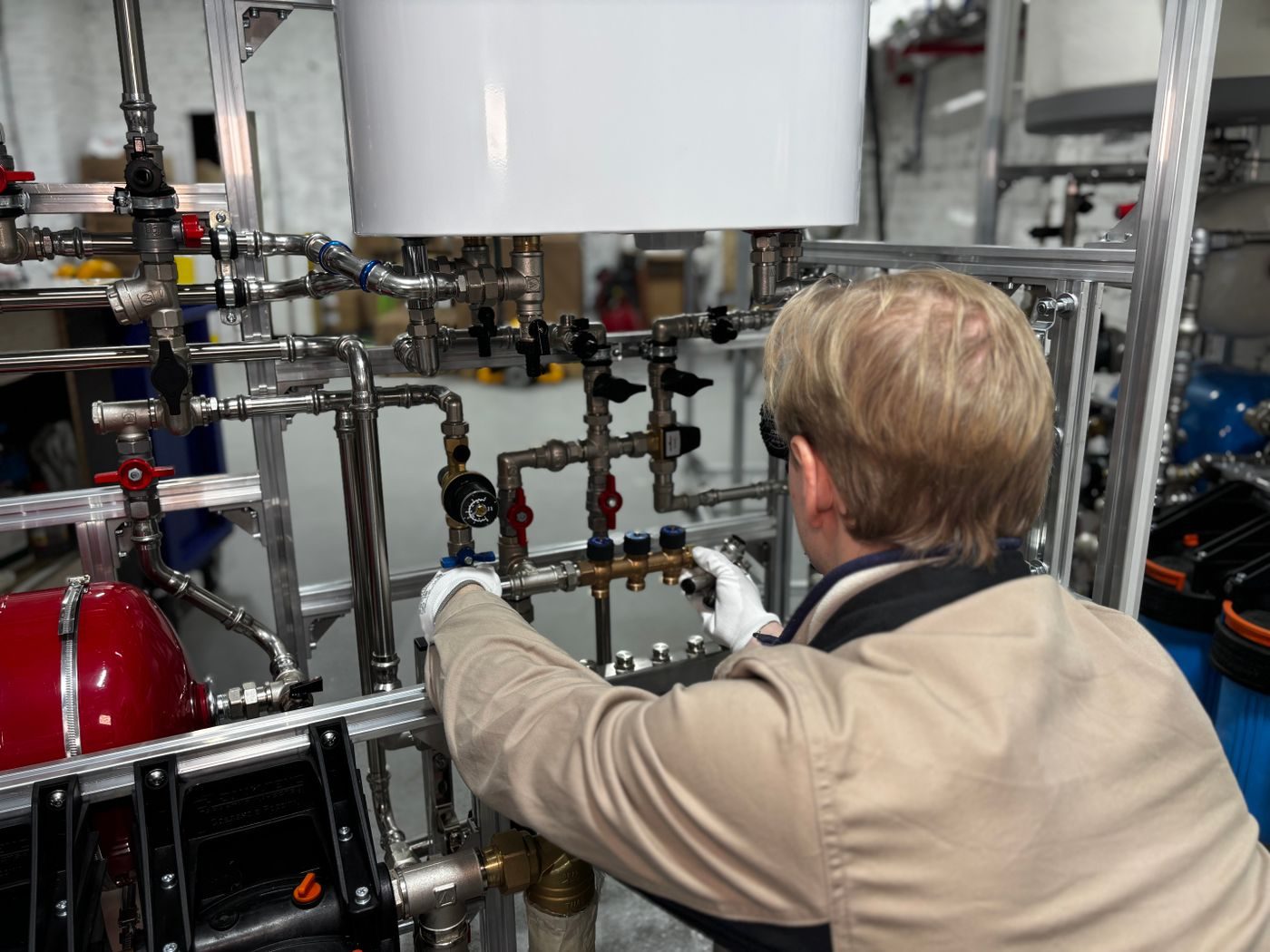
From about 2000 onwards, many new flats in London were built with the boiler flue hidden. Instead of going straight out through a wall, the flue runs through a ceiling void or behind a stud wall to reach the outside. It keeps the flat looking tidy. It also means nobody can see if the flue is damaged or leaking fumes.
Why this became a problem
A boiler flue carries fumes, including carbon monoxide, out of the home. If a joint comes apart or the flue is damaged, fumes can leak into the void and then into the flat. With the flue hidden, an engineer cannot check it.
The HSE flues in voids bulletin explains that the practice became popular from 2000 and that most affected homes are thought to be new build flats and apartments completed since then. Industry guidance was revised so that concealed flues must be inspectable.
The 2013 deadline
HSE gave homeowners and landlords until 31 December 2012 to arrange inspection hatches where flues were concealed. From 1 January 2013, if a Gas Safe registered engineer finds a concealed flue with no way to inspect it, they will:
- Class the boiler as “at risk”
- With your permission, turn it off
- Advise that it should not be used until hatches are fitted and the flue checked
That can happen at a routine service or a landlord gas safety check. It is not a penalty. It is the engineer following the gas industry unsafe situations procedure.
Where this happens in south and west London
Hidden flues are common in riverside and town centre developments built since 2000. In our area that includes many blocks along the river in Battersea and Nine Elms, around Greenwich and the Peninsula, near Lewisham station, and in central Croydon. Our Battersea area page covers the riverside flats there.
Not every new block has gas boilers. Some of the bigger schemes use communal heat networks, where each flat has a heat interface unit instead. If you have no gas meter for your flat and a box in the cupboard instead of a boiler, check with your managing agent. Those systems are not gas boilers and the flues in voids rule does not apply inside the flat.
How to tell if your flue is concealed
Look at the boiler. If the flue goes straight up or sideways into the ceiling or wall, rather than straight out of an outside wall right behind the boiler, it is probably running through a void. Follow the line it takes and look for the terminal outside. If there is a long distance between the boiler and the outside wall, the flue is hidden for that length.
Check whether hatches are already fitted. They are usually square panels in the ceiling along the flue route, often white and flush with the ceiling. Many managing agents fitted them across whole buildings around 2012.
Fitting hatches
The Gas Safe Register flues in voids page explains the steps. In short:
- Speak to your managing agent or freeholder. They may already have a plan for the whole block.
- Get a Gas Safe engineer to identify where hatches are needed, typically within a set distance of each joint and at changes of direction.
- Use a competent builder to fit them.
HSE warns not to fit hatches yourself. Ceilings in flats often provide fire separation and sound proofing between homes, and cutting into them badly can make the building less safe.
What it means for your boiler service
If you book an annual boiler service for a flat with a concealed flue, tell us when you book:
- Where the boiler is
- Whether the flue goes into the ceiling or wall
- Whether hatches are fitted
- Whether the managing agent needs to arrange access
On the day, the engineer opens each hatch and inspects the flue joints and supports. That adds time. Clear furniture from under the hatches.
If there are no hatches, the engineer cannot complete the flue check. They will explain and follow the procedure.
Landlords
For landlords, flues in voids can block a gas safety record. The check must include each flue. If the flue cannot be inspected, the engineer cannot record it as safe. Our page on the landlord service and CP12 explains the wider duties.
Landlords with flats in new blocks should check hatches are in place well before the gas safety check is due. Since 2018, checks can be done up to two months early while keeping the original expiry date, so there is a little time to sort access.
Carbon monoxide alarms
A carbon monoxide alarm is a sensible extra in any flat with a gas boiler. For landlords in England, it is the law in rooms used as living accommodation with a fixed combustion appliance. An alarm is not a substitute for being able to inspect the flue.
Flue terminals on balconies
New blocks also bring flue terminals close to balconies and other flats’ windows. Building Regulations Approved Document J and maker instructions set minimum distances. If a balcony has been enclosed, or a neighbour’s window added nearby, the terminal position may need looking at.
Gas work in the UK must be done by a Gas Safe registered engineer. Check the ID card and the Gas Safe Register before work starts. For more on boiler positions in flats, see our post on boilers in cupboards.
Quick questions
Can I fit inspection hatches myself?
No. HSE advises against it, because ceilings in flats often have fire and sound proofing that can be damaged. Use a competent builder.
Who pays for hatches in a block of flats?
It depends on your lease and who owns the ceiling. Speak to your managing agent or freeholder.
Does this affect a heat interface unit on a communal network?
No. A heat interface unit has no gas flue inside the flat. The rule is about gas boiler flues hidden in voids.
Last updated 23 October 2026. Written for homes in London. Rules can change, so check the linked sources for the latest position.